


Caring for Dental Crowns: Everyday Habits for the Whole Family
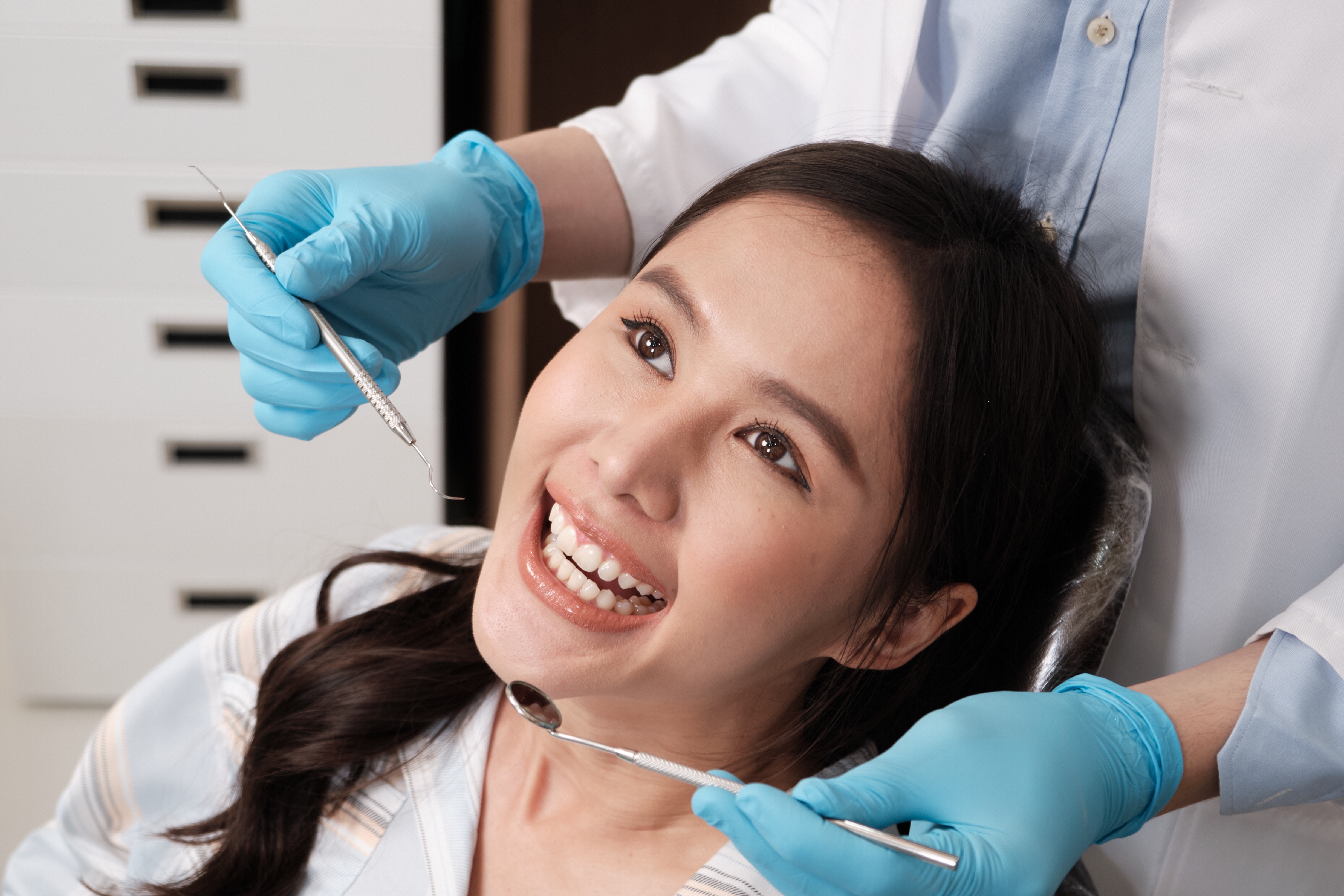
Dental crowns help restore teeth that have been weakened by decay, fractures, large fillings, root canal treatment, or significant wear. Although a crown is designed to protect and strengthen a damaged tooth, it still needs consistent care to remain comfortable and functional.
At Paglia Family Dental in Marlborough, we provide porcelain crowns and preventive dental care for patients of different ages. Good everyday habits can help protect crowns while supporting the health of the natural teeth and gums around them.
Why Do Dental Crowns Still Need Daily Care?
A crown covers the visible portion of a tooth, but the natural tooth underneath remains vulnerable to oral health problems. Plaque can collect where the crown meets the tooth, particularly along the gumline.
If this area is not cleaned properly, decay can develop around the crown margin and the gums may become irritated or inflamed.
Regular brushing, flossing, and dental checkups remain important even when a crowned tooth feels completely normal.
How Should You Clean Around a Crown?
Caring for a dental crown is similar to caring for your natural teeth. The goal is to keep plaque and food debris from accumulating around the restoration.
Helpful habits for the whole family include:
Brush twice each day with fluoride toothpaste
Use a soft-bristled toothbrush around the crown and gumline
Floss gently between crowned and neighboring teeth every day
Avoid using sharp objects to remove trapped food
Keep regular professional cleaning appointments
Mention any persistent sensitivity, looseness, or bite changes to your dentist
If floss repeatedly catches or shreds around a crown, schedule an evaluation rather than ignoring the problem.
Can Certain Foods Damage a Crown?
Dental crowns are designed to handle normal biting and chewing, but they are not indestructible.
Chewing ice, biting hard candy, opening packages with your teeth, or chewing pens can place unnecessary pressure on both crowns and natural teeth. These habits may increase the risk of chipping or loosening a restoration.
Sticky foods can also place additional force on dental work. Family members with crowns do not need to avoid every chewy food, but reasonable caution can help protect the restoration.
What if Someone Grinds Their Teeth?
Grinding and clenching can place strong repetitive forces on teeth and restorations, particularly during sleep. Over time, this may contribute to crown wear, fractures, or discomfort.
If you or another family member wakes with jaw soreness, frequently chips dental work, or has signs of tooth wear, discuss it during your Marlborough dental visit.
A custom nightguard may be considered for some patients to help protect crowns and natural teeth from excessive forces.
Why Are Regular Checkups Important?
Even when a crown feels comfortable, routine dental exams allow us to inspect areas that are difficult to evaluate at home.
We can check the crown margins, surrounding gums, bite, and supporting tooth. Dental X-rays may also be recommended when appropriate to evaluate areas beneath or around the restoration.
Professional cleanings remove hardened buildup that brushing and flossing cannot remove. Regular visits are also useful for families because they allow preventive care to become part of a consistent household routine rather than something scheduled only when a problem develops.
When Should a Crown Be Checked Early?
A dental crown should feel secure and comfortable. Contact your dentist if the crown becomes loose, cracks, causes pain when chewing, repeatedly traps food, or suddenly feels different when you bite.
Do not try to permanently glue a loose crown back into place with household products. Professional evaluation can determine whether the crown can be repaired, recemented, or needs replacement.
For dental crown care and preventive family dentistry in Marlborough, contact Paglia Family Dental at 154 Highland Street, Marlborough, MA 01752 by calling (508) 744-3844 to schedule an appointment.


Featured Services
Contact Info
Hours of Operation
- Monday 9:00am - 6:00pm
- Tuesday 8:00am - 8:00pm
- Wednesday 9:00am - 6:00pm
- Thursday 8:00am - 6:00pm
- Friday 8:00am - 2:00pm
- Saturday Closed
- Sunday Closed
© 2026 Paglia Family Dental. All rights Reserved.
Accessibility Statement - Privacy Policy - Sitemap
Powered by:
