


What Are Those Little Bumps on Teeth During Invisalign?
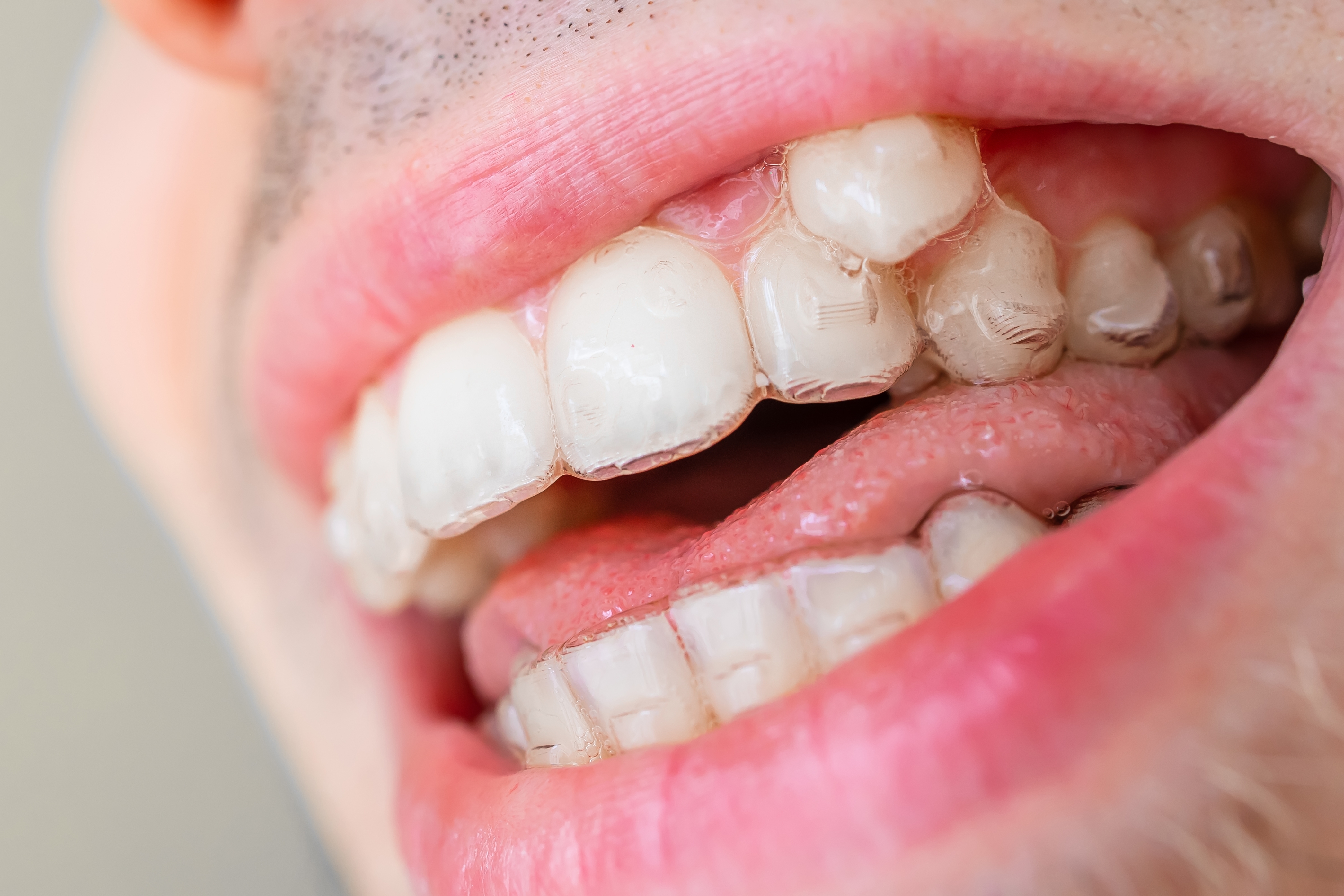
If you’ve seen someone wearing Invisalign, you may have noticed small, tooth-colored bumps on a few of their teeth. These are called attachments, and they help the aligners do their job.
Although they’re small, attachments can play an important role in guiding your teeth toward their planned positions.
What are Invisalign attachments?
Attachments are small shapes made from tooth-colored composite material that your dentist bonds to selected teeth. They stay on your teeth when you remove your aligners and fit into corresponding spaces inside the trays.
Their number, shape, and placement depend on the movements planned for your smile.
Why are they needed?
Think of attachments as small grip points. They give your aligners something to engage with so they can apply force in specific directions.
Some tooth movements are more challenging than others. Attachments help your dentist control those movements as part of your personalized treatment plan.
Having attachments does not mean something is wrong with your treatment—they are a planned tool used to help your aligners work effectively.
Will people notice them?
Attachments are designed to blend with your natural tooth color, but they are not completely invisible.
Your dentist can explain where attachments are recommended before treatment begins.
How do I care for them?
Careful brushing and flossing remain essential throughout Invisalign treatment. Remove your aligners for meals and follow your dentist’s instructions for cleaning your teeth and trays.
Good oral hygiene helps reduce the risk of cavities, gum problems, and white spots during treatment.
If an attachment comes off, contact your dental office for instructions. It may need to be replaced to keep the planned tooth movements on track. Do not try to glue it back on yourself.
Are attachments permanent?
No. Your dentist removes the attachments when they are no longer needed and polishes away the remaining bonding material. They are a temporary part of your Invisalign treatment.


Featured Services
Contact Info
Hours of Operation
- Monday 9:00am - 6:00pm
- Tuesday 8:00am - 8:00pm
- Wednesday 9:00am - 6:00pm
- Thursday 8:00am - 6:00pm
- Friday 8:00am - 2:00pm
- Saturday Closed
- Sunday Closed
© 2026 Paglia Family Dental. All rights Reserved.
Accessibility Statement - Privacy Policy - Sitemap
Powered by:
