


Long-Term Effects of Untreated TMJ: Why Early Care Matters
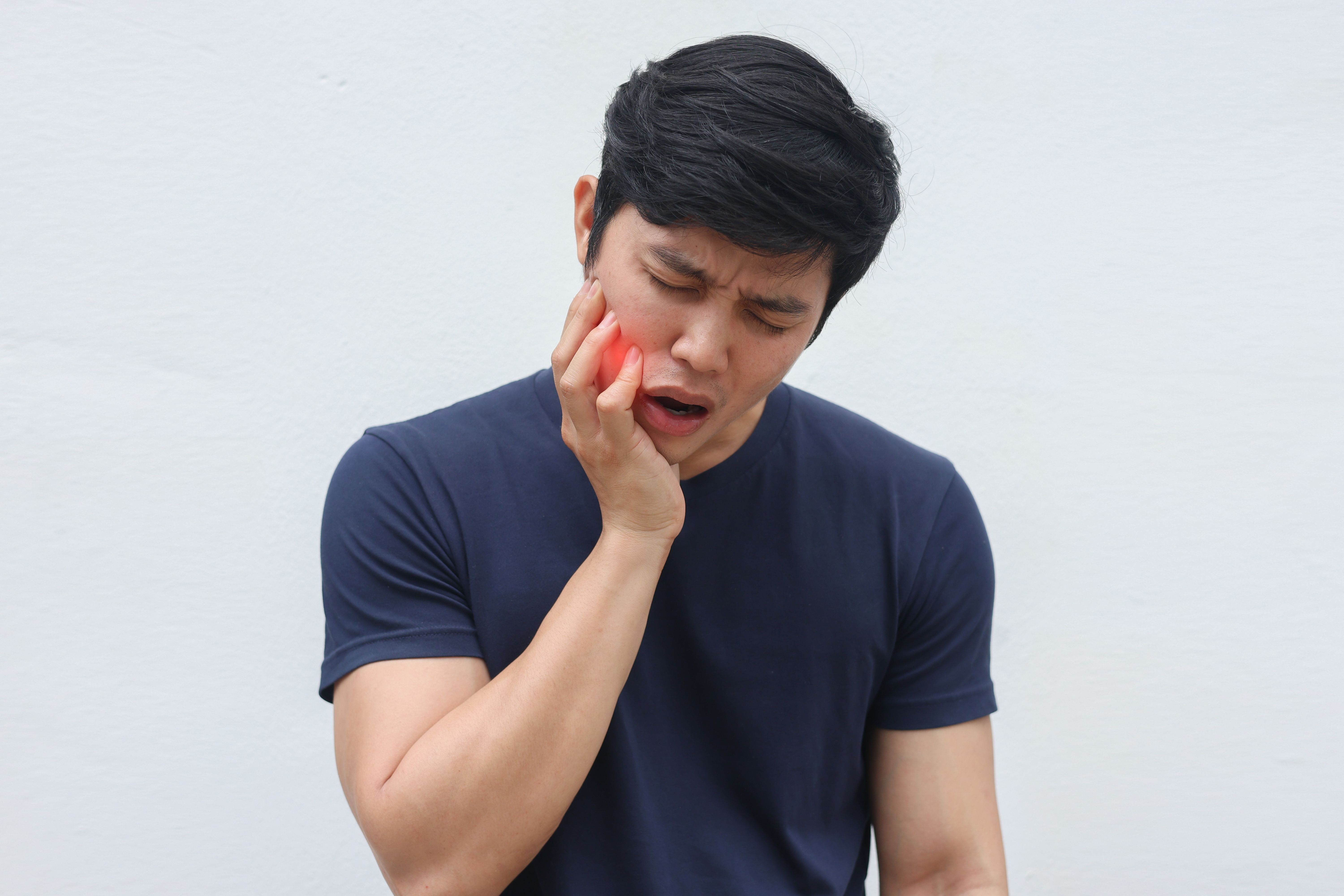
Temporomandibular joint disorder (TMJ or TMD) affects the joints and muscles that control jaw movement. While occasional jaw discomfort may seem minor at first, untreated TMJ can gradually develop into a chronic condition that impacts your oral health, overall wellness, and quality of life.
At Paglia Family Dental, we emphasize early diagnosis and treatment to prevent long-term complications and restore comfortable jaw function.
Understanding TMJ
The temporomandibular joints connect your lower jaw to your skull, allowing you to chew, speak, yawn, and move your mouth smoothly. When these joints become inflamed, misaligned, or strained, TMJ disorder can develop.
Symptoms often begin subtly - mild jaw tenderness, occasional clicking, or intermittent headaches. However, without treatment, these early warning signs can progress into more persistent and disruptive problems.
Chronic Pain and Muscle Strain
One of the most common long-term effects of untreated TMJ is ongoing jaw pain. When the joint does not function properly, surrounding muscles work harder to compensate. Over time, this strain can lead to chronic soreness in the jaw, face, neck, and shoulders.
Patients may notice difficulty opening their mouth fully, stiffness in the morning, or discomfort when chewing tougher foods. Left unaddressed, muscle fatigue and tension can become part of daily life.
Frequent Headaches and Migraines
The jaw joints are closely connected to the muscles and nerves of the head and neck. Persistent TMJ inflammation can trigger recurring tension headaches or migraines. Pain may radiate from the jaw to the temples, behind the eyes, or across the forehead.
Many patients who struggle with chronic headaches discover that jaw dysfunction is a contributing factor. Treating TMJ often significantly reduces headache frequency and intensity.
Progressive Joint Damage
When TMJ is ignored, the joint itself can begin to deteriorate. Continuous inflammation and misalignment may lead to cartilage wear and degenerative changes similar to arthritis. Clicking or popping sounds may become more pronounced, and in severe cases, the jaw may lock open or closed.
Early treatment can prevent structural damage and reduce the risk of more complex interventions later.
Tooth Wear and Bite Changes
Untreated TMJ is frequently associated with teeth grinding and clenching, especially during sleep. Over time, this pressure can flatten or crack teeth, increase sensitivity, and even shift the alignment of your bite.
As the bite changes, uneven chewing forces can place additional stress on both the teeth and jaw joints, further worsening TMJ symptoms and creating a cycle of damage.
Sleep Disruption and Daily Impact
Chronic jaw discomfort and nighttime clenching often interfere with restful sleep. Patients may wake up with facial soreness or headaches, leading to fatigue and difficulty concentrating during the day.
Beyond the physical symptoms, long-term TMJ can affect emotional well-being. Ongoing pain and limited jaw movement can interfere with eating, speaking, socializing, and overall comfort.
Treatment Options for TMJ
The good news is that TMJ is often manageable, and in some cases, mild symptoms may improve with monitoring and conservative care. When discomfort persists or interferes with daily life, your dentist may recommend a personalized treatment plan.
Treatment may begin with medications aimed at reducing inflammation and easing muscle tension. Anti-inflammatory medications or pain relievers can help manage discomfort, while certain prescription options may be used to relax tight jaw muscles and reduce chronic pain patterns.
Custom oral appliances are another common approach. A professionally fitted nightguard or splint can help stabilize the jaw, reduce clenching and grinding, and relieve pressure on the joint. By improving alignment and minimizing strain, these devices often provide significant symptom relief.
Physical therapy techniques may also be recommended to strengthen and retrain the jaw muscles. Guided exercises can improve range of motion, reduce tension, and promote healthier joint function. In addition, addressing contributing habits - such as teeth clenching related to stress - can play an important role in long-term improvement.
In more complex or severe cases where conservative treatments do not provide relief, advanced procedures or surgical options may be considered. Your dentist will thoroughly review all available options and discuss the potential benefits and risks before recommending further intervention.
Find Relief from TMJ Pain Today
TMJ may begin with minor symptoms, but when left untreated, it can lead to chronic pain, joint degeneration, tooth damage, headaches, and sleep disturbances. The longer the condition progresses without care, the more complex it can become.
If you are experiencing jaw pain, frequent headaches, clicking sounds, or signs of teeth grinding, the team at Paglia Family Dental is here to help. Visit our office in Marlborough, Massachusetts, or call (508) 485-2235 today.


Featured Services
Contact Info
Hours of Operation
- Monday 9:00am - 6:00pm
- Tuesday 8:00am - 8:00pm
- Wednesday 9:00am - 6:00pm
- Thursday 8:00am - 6:00pm
- Friday 8:00am - 2:00pm
- Saturday Closed
- Sunday Closed
© 2026 Paglia Family Dental. All rights Reserved.
Accessibility Statement - Privacy Policy - Sitemap
Powered by:
