


Why Do My Gums Bleed When I Brush?
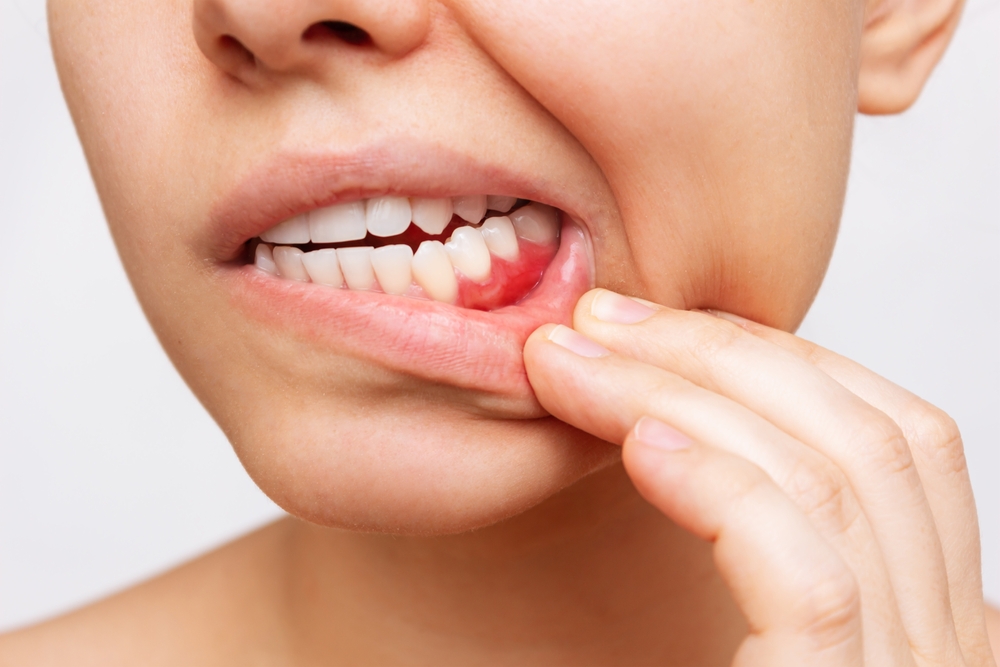
Bleeding gums can be easy to overlook, especially if it only happens when you brush or floss. However, gums should not bleed during normal oral hygiene. At Paglia Family Dental, we help patients in Marlborough understand what may be causing bleeding gums and how to protect their oral health before small concerns become bigger problems.
Bleeding Gums Are Often A Sign Of Inflammation
One of the most common reasons gums bleed when brushing is inflammation caused by plaque buildup along the gumline. Plaque contains bacteria that can irritate the gum tissue, leading to redness, tenderness, swelling, and bleeding.
This early stage of gum disease is called gingivitis. The good news is that gingivitis is often reversible with improved home care and professional dental cleanings. If left untreated, it can progress into periodontitis, a more serious form of gum disease that can affect the bone and tissues supporting the teeth.
Brushing Too Hard Can Irritate Your Gums
Bleeding does not always mean you are brushing too little. Sometimes, brushing too aggressively can irritate the gums and cause them to bleed. A hard-bristled toothbrush or heavy pressure can wear down enamel, push the gums back, and make the tissue more sensitive.
We often recommend using a soft-bristled toothbrush and gentle circular motions. The goal is to clean the teeth and gumline thoroughly without scrubbing the tissue.
Flossing Changes Can Cause Temporary Bleeding
If you recently started flossing again, your gums may bleed for the first few days. This can happen when plaque has built up between the teeth and the gum tissue is inflamed. With consistent flossing and proper technique, bleeding should improve.
Common signs that your gums need attention include:
- Bleeding when brushing or flossing
- Red, swollen, or tender gums
- Bad breath that does not go away
- Gum recession or teeth that look longer
- Sensitivity near the gumline
- Loose teeth or changes in your bite
If bleeding continues for more than a week or two, it is best to schedule a dental exam.
Your Health And Medications Can Play A Role
Certain health conditions and medications can make gums more likely to bleed. Diabetes, hormonal changes, vitamin deficiencies, dry mouth, and blood-thinning medications may all affect gum health. This is why it is important to tell our dental team about any changes in your medical history or prescriptions.
Bleeding gums may be a dental concern, but they can also provide clues about your overall health.
Professional Cleanings Help Remove Hardened Buildup
Even with good brushing and flossing, tartar can form in areas that are difficult to clean at home. Once plaque hardens into tartar, it cannot be removed with a toothbrush. A professional dental cleaning allows us to remove buildup, polish the teeth, and check for signs of gum disease.
Routine cleanings also give us a chance to catch early changes in your gums before they become more serious.
When To Schedule A Dental Visit
You should schedule an appointment if your gums bleed regularly, feel sore, look swollen, or bleed even with gentle brushing. You should also come in if you notice persistent bad breath, gum recession, tooth sensitivity, or loose teeth.
At Paglia Family Dental, we focus on helping patients understand the cause of their symptoms and choose the right next steps for healthier gums.
Contact Paglia Family Dental in Marlborough, MA by calling (508) 485-2235 to schedule a dental exam at 154 Highland Street, Marlborough, MA 01752.


Featured Services
Contact Info
Hours of Operation
- Monday 9:00am - 6:00pm
- Tuesday 8:00am - 8:00pm
- Wednesday 9:00am - 6:00pm
- Thursday 8:00am - 6:00pm
- Friday 8:00am - 2:00pm
- Saturday Closed
- Sunday Closed
© 2026 Paglia Family Dental. All rights Reserved.
Accessibility Statement - Privacy Policy - Sitemap
Powered by:
