


Why Do Some Invisalign Cases Need IPR Between the Teeth?
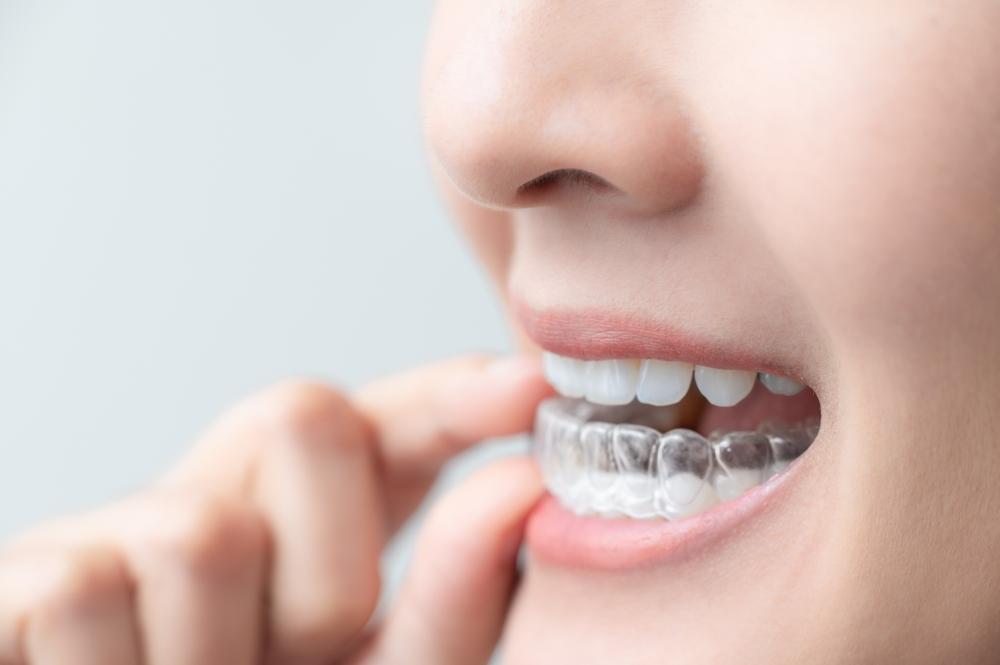
If you’re starting Invisalign treatment, you may hear your dentist mention something called IPR. The term can sound a little intimidating at first, but it’s actually a very common technique used in clear aligner treatment.
IPR stands for interproximal reduction. It involves removing a very small amount of enamel from between certain teeth to create the space needed for those teeth to move into better alignment.
Not every Invisalign patient needs IPR, but for some cases, it can be an important part of achieving the best possible result.
Why Is IPR Used With Invisalign?
Invisalign works by gradually moving your teeth into new positions. If your teeth are crowded or there simply isn’t enough room for them to line up properly, your dentist may need to create a small amount of additional space.
That’s where IPR can help.
Rather than extracting a tooth or significantly changing the shape of your smile, your provider can carefully remove a fraction of a millimeter of enamel between selected teeth. Even a very small amount of space can make a meaningful difference when planning orthodontic movement.
How Much Enamel Is Removed?
IPR is very conservative. Only a tiny, carefully measured amount of enamel is removed.
Your Invisalign treatment plan helps your provider determine exactly where space is needed and how much should be created between specific teeth.
The goal is not to make the teeth noticeably smaller. Instead, the reduction is typically subtle enough that patients do not notice a visible difference in the individual teeth once treatment is complete.
Does IPR Hurt?
For most patients, IPR is relatively quick and comfortable.
Because enamel does not contain nerves, the process typically does not require numbing. You may feel some pressure, vibration, or movement while the dentist works between the teeth, but it should not feel like having a cavity filled.
Depending on the amount of space needed, your provider may use a thin dental strip, disc, or another instrument specifically designed for interproximal reduction.
Why Not Just Move the Teeth Without IPR?
Sometimes there simply isn’t enough space available to safely position the teeth where they need to go.
Without creating additional room, the teeth may remain crowded or have to be pushed farther outward than desired. In certain cases, IPR can help your provider maintain a more balanced arch shape while creating enough space for proper alignment.
It can also help reduce what are sometimes called black triangles, or small triangular spaces near the gumline between certain teeth. Slightly adjusting the contact points between teeth can sometimes allow them to fit together more naturally.
Does Everyone With Crowding Need IPR?
No. Every Invisalign case is different.
Some patients naturally have enough room for their teeth to move. Others may gain space through expansion or other planned tooth movements. Some cases require only a small amount of IPR, while others may need it at multiple stages of treatment.
Your provider will determine whether IPR is appropriate based on factors such as:
- The amount of crowding
- The size and shape of your teeth
- Your bite
- Your gum and bone health
- Your overall treatment goals
- How your teeth are expected to move during Invisalign treatment
Is IPR Safe for Your Teeth?
When performed appropriately and conservatively by a trained dental professional, IPR is a commonly used orthodontic technique.
The amount of enamel removed is carefully controlled, and the surfaces are typically smoothed afterward.
Your dentist will also consider the health and condition of your teeth before recommending IPR. It is not something that should be performed without proper treatment planning.
When Is IPR Done During Invisalign Treatment?
IPR may be performed at the beginning of treatment or later, depending on your Invisalign plan.
Sometimes your dentist will create all of the necessary space at one appointment. In other cases, IPR is completed gradually as your teeth move and different areas become accessible.
Your provider may tell you ahead of time which appointments are expected to include IPR so you know what to expect.
Will You Be Able to See the Spaces After IPR?
You may notice tiny spaces between your teeth immediately after IPR, especially if several areas are treated at once.
Don’t worry — those spaces are intentional.
Your Invisalign aligners are designed to gradually move the teeth into the newly created space. As treatment progresses, those gaps typically close as the teeth move toward their planned positions.
IPR Is All About Creating the Right Amount of Space
One of the most important parts of Invisalign treatment is giving each tooth enough room to move safely and predictably.
For some patients, interproximal reduction is a simple way to create that room without removing teeth or making major changes to the dental arch.
While the idea of removing enamel may sound concerning at first, IPR involves very small, carefully planned adjustments and can play an important role in achieving a straighter, more balanced smile.
Have Questions About IPR or Invisalign?
If your Invisalign treatment plan includes IPR, don’t hesitate to ask your provider why it’s being recommended and how much space will be created.
Understanding each step of your treatment can make the process feel much more comfortable and help you know exactly what to expect as your smile changes.


Featured Services
Contact Info
Hours of Operation
- Monday 9:00am - 6:00pm
- Tuesday 8:00am - 8:00pm
- Wednesday 9:00am - 6:00pm
- Thursday 8:00am - 6:00pm
- Friday 8:00am - 2:00pm
- Saturday Closed
- Sunday Closed
© 2026 Paglia Family Dental. All rights Reserved.
Accessibility Statement - Privacy Policy - Sitemap
Powered by:
